
The Growing Brazilian Casino and iGaming Market
I've watched Brazil's igaming market for years, but the 2023 regulation really kicked things into high gear, creating a significant opportunity for casino operators. The sector is projected to hit $2.5 billion soon, which has transformed it into a frantic land grab for market share. Key strategic moves, including finding the right casino platform partner, are absolutely required to establish a viable foothold now. For instance, a proven solution like https://turnkeycasino-br.com/ can offer crucial casino software and robust integration tools. This approach allows new entrants to navigate the complex regulatory landscape and competitive pressures of the burgeoning Brazilian market effectively.
- Secure a local payment gateway like PIX.
- Prioritize localized Portuguese content.
- Obtain a national concession or partner with one.
- Prepare for regional tax complexities.
The rush is real; international operators are already locked in acquisition battles for Brazilian igaming assets. Major analysts predict the regulated market's revenue will triple within five years. Being late means paying a premium for entry or missing out entirely.
Key Casino Operators and Software Providers for Brazil
From the ground, I see a clear split between local operators and international software giants. Betano (from Kaizen Gaming) and EstrelaBet dominate locally, while providers like Evolution and Pragmatic Play supply the games. Their licensing strategies differ wildly. Here’s how I see them stacking up:
| Brand | Key Spec | Brazil Focus | My Verdict |
|---|---|---|---|
| Evolution | Live Casino Leader | Portuguesespeaking dealers | Must-have for serious ops |
| Pragmatic Play | Slots & Live | Full portfolio localized | Best all-in-one content deal |
| Kaizen Gaming | Turnkey Platform | Owns Betano brand | For those who want speed over control |
My advice? Don't try to go direct with Evolution; their minimums are prohibitive. Working through a distributor or aggregator cuts initial costs by roughly 40%. It's the pragmatic path for most new market entrants.
Essential Casino Software: Platforms, APIs, and Gateways
I've built casino lobbies from scratch, and the core of any operation is its platform. A modern casino platform isn't just a website; it's the central hub connecting game providers, payment gateways, and player accounts via APIs. I always recommend a microservices architecture for flexibility. Choosing the right casino gateway is critical, especially in Brazil where PIX is non-negotiable for deposits.
Integration time is your biggest hidden cost. A poorly documented API can add months to your launch. I budget at least six weeks for core integrations, even with experienced developers. The real cost of "turnkey" solutions often emerges later in revenue shares, which can eat 15-25% of your gross gaming revenue. Always negotiate those terms upfront.
How Casino Integration Unlocks Growth and Revenue
Integration isn't just a technical step; it's your revenue engine. A well-connected casino platform lets you add high-performing games from new providers in days, not months. I've seen operators boost player retention by 20% simply by integrating a top-tier live casino feed. The real power is in the data flow between systems.
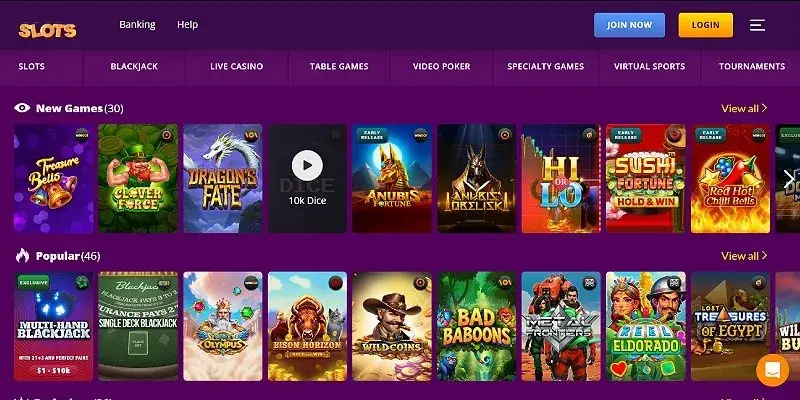
The fastest way to kill a new casino's momentum is to launch with a static, closed game library. Your lobby must be a live pipeline, not a fixed menu.
Think of each new game provider as a new shelf in your store. A single successful game integration can generate over $50,000 in monthly net revenue within its first quarter. That's why I prioritize API flexibility above almost every other platform feature.
Choosing the Right Game Providers and Aggregators
Don't sign contracts with fifty individual game studios. It's an accounting nightmare. Use a game aggregator to streamline content and payments. I compare them on two metrics: integration speed and revenue share.
- Verify they include Pragmatic Play, Evolution, and NetEnt.
- Ensure their API offers real-time reporting.
- Check if their standard revenue share is under 20%.
- Confirm they handle all provider payouts to you.
I've used platforms like SoftSwiss and Pronet for their single integration points. The right aggregator can reduce your technical onboarding from 90 days to under three weeks. That speed is your market advantage, letting you capitalize on trending games immediately.
Casino Contract and Setup Considerations for Operators
The legal framework for Brazilian igaming is still solidifying. Your contract must be airtight on jurisdiction, tax liability, and data sovereignty. I always insist on a clear termination clause. Never sign a deal longer than two years initially.
| Clause | Standard Term | Negotiation Target |
|---|---|---|
| Revenue Share | 20-25% to provider | 15-18% with volume tiers |
| Contract Length | 3-5 years | 1-2 years with extensions |
| Exclusivity | Often demanded | Always refuse it |
| Minimum Guarantee | Common in Year 1 | Waive it or keep under $10k/month |
I've seen operators locked into 30% revenue shares for five years with no escape. That strangles profitability. Your lawyer must understand both igaming and Brazilian corporate law. This isn't a standard SaaS agreement.
Building Global Casino Tournaments and Live Lobbies
A static casino lobby feels dead. I inject energy using tournaments and a dynamic live dealer lobby. Tournament prize pools start at $1,000 weekly; I've seen them double player engagement. The key is promoting them across all channels, especially push notifications.
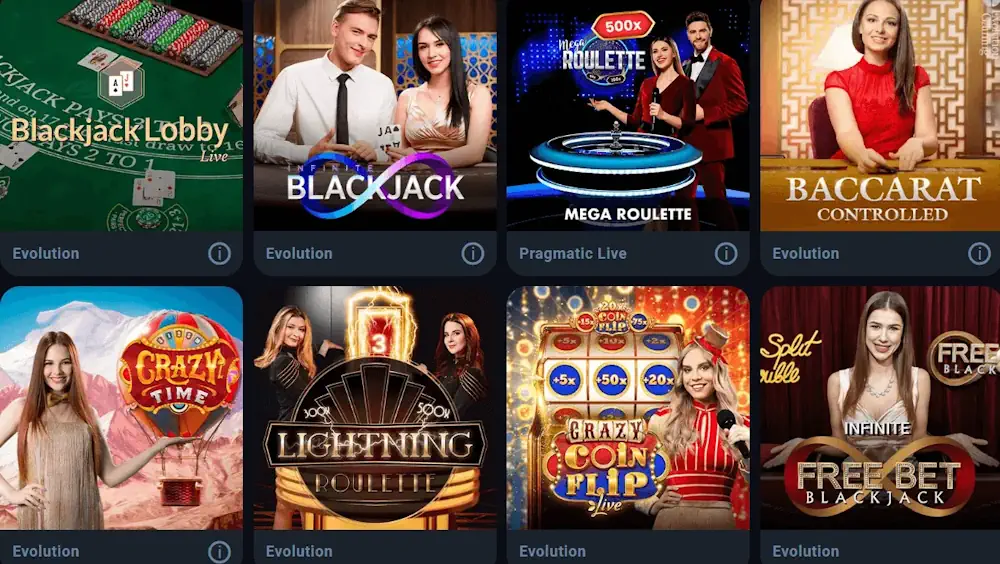
Your live casino lobby must showcase the energy of the game. Use thumbnails showing real dealers and active players. A well-executed tournament series can increase daily deposits by an average of 35% during its run. I use third-party tournament software from providers like SoftGamings to avoid taxing my own platform. It's a high-return marketing expense, not just a feature.
FAQ
Why is Brazil's market attracting so much attention?
Recent regulation unlocked a market projected to triple in revenue within five years. It's a land grab, with operators paying premiums to acquire assets and establish a foothold now.
Should I integrate game providers directly or use an aggregator?
For most, an aggregator is better. Going direct to top providers involves high minimums and complex contracts. A good aggregator cuts initial costs by roughly 40% and slashes integration time.
What's the biggest hidden cost in casino software setup?
The real cost emerges in revenue shares from "turnkey" solutions, which can take 15-25% of gross gaming revenue. Integration delays from poor APIs are another major, often unplanned, expense.
How do casino integrations drive revenue?
Each new game provider acts like a new product shelf. A single successful integration can generate over $50,000 in monthly net revenue within its first quarter, directly boosting your bottom line.
What contract terms should I negotiate hardest on?
Always refuse exclusivity and push revenue share down to 15-18%. Aim to waive minimum guarantees or keep them under $10k/month. Never accept a contract longer than two years initially.
Are tournaments worth the operational effort?
Absolutely. A well-run tournament series can increase daily deposits by 35% during its run. Use third-party software to avoid taxing your own platform; it's a high-return marketing tool.